 Skip to content
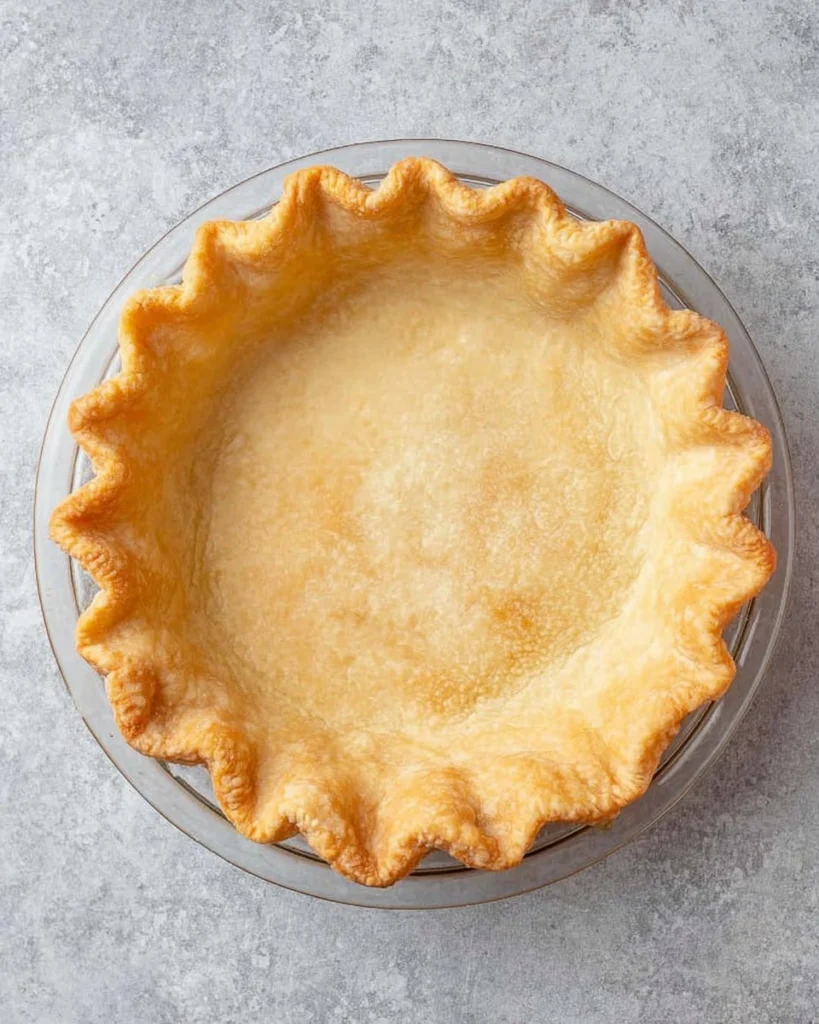
Blind baking a pie crust might seem daunting, but it’s a skill that every home baker should have in their repertoire. The idea is simple: pre-bake the crust to prevent it from becoming soggy when filled with delicious fillings. This method is particularly essential for creamy fillings like custards or pumpkin pies. The magic happens when you perfectly crisp the crust, creating a sturdy base to cradle all the delightful flavors nestled inside.
Thank you for reading this post, don't forget to subscribe!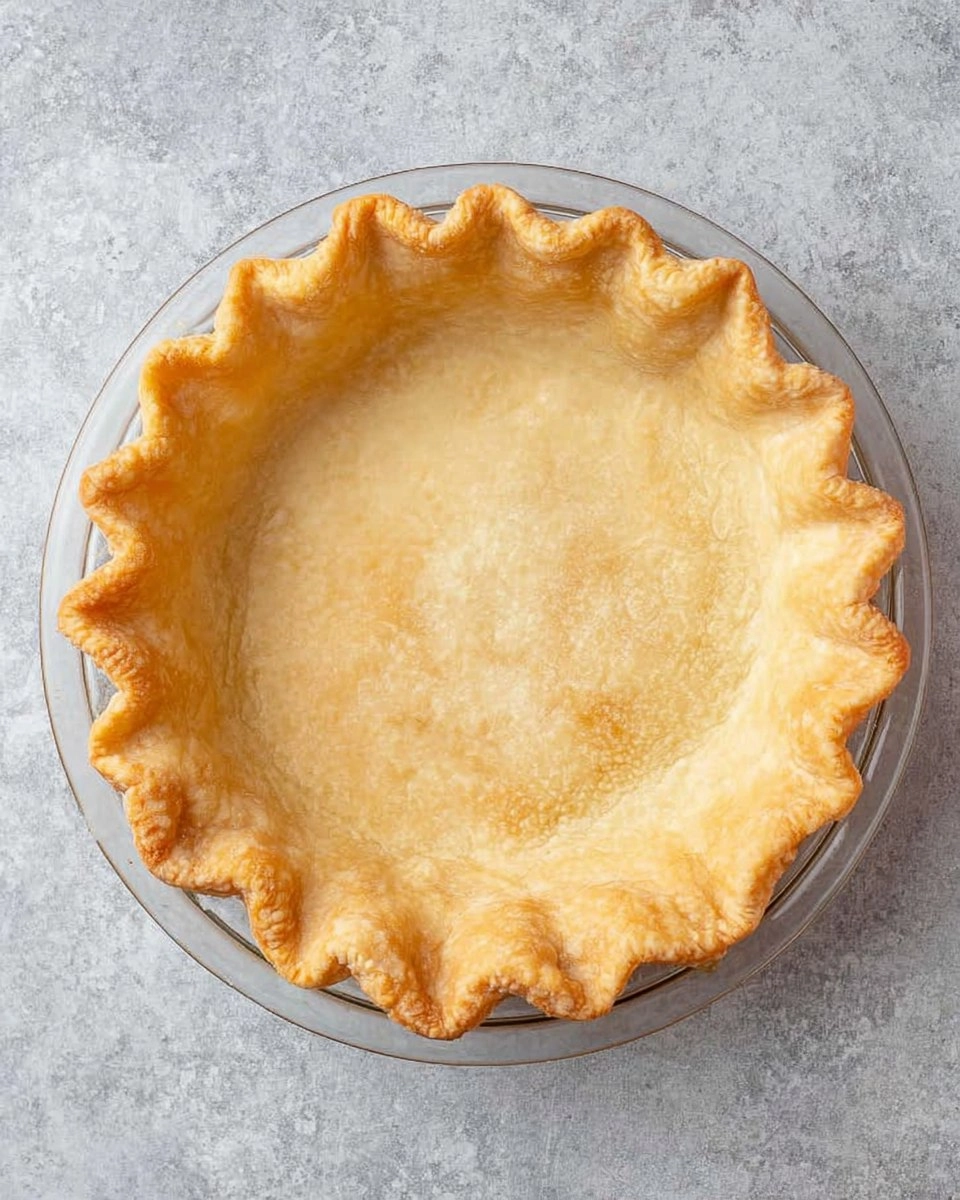
When I first attempted to blind bake a pie crust, I was nervous but determined. I remember the buttery aroma wafting through my kitchen as the crust baked, reminding me of my grandmother’s kitchen during the holidays. Blind baking elevates the simple crust to something extraordinary – golden, flaky, and just a tad nutty. It’s a game-changer that can transform your pies from ordinary to extraordinary.
Why You’ll Love This Recipe
- Simple & Quick: With just 30 minutes of prep time, this method is straightforward even for beginners.
- Irresistible Flavor: The combination of butter and sugar brings out a rich, creamy flavor that pairs beautifully with any filling.
- Perfectly Baked: Tired of soggy crusts? This method guarantees a crispy bottom every time.
- Impressive Presentation: The beautifully fluted edge adds a touch of elegance to your pie.
- Versatile Use: Perfect for both sweet and savory fillings, from pumpkin to quiche.
Ingredients You’ll Need
- 300 g unsalted butter (chilled): The star of the show! Cold butter creates that flaky texture we love in pie crust. Feel free to substitute with vegan butter if desired.
- 120 ml iced water: This helps keep the dough cool while you work. Use very cold water for the best results.
- 30 ml chilled vodka (optional): It can help create a flakier crust by reducing gluten formation. If you skip it, just use more iced water.
- 400 g all-purpose flour: The backbone of our dough, spooned and leveled to ensure accuracy.
- 30 g sugar: A teaspoon of sweetness that enhances flavor. You can adjust this for savory pies or skip it altogether if you prefer.
- ¾ tsp fine sea salt: A little salt elevates all the flavors, balancing the sweetness from the sugar.
How to Make How To Blind Bake Pie Crust (Step by Step Guide)
-
Prepare the Dough: Start by making the pie crust dough according to the instructions in your favorite homemade pie crust recipe. Be sure to let it rest for a few hours before rolling it out to relax the gluten.
-
Roll Out the Dough: Take one portion of the pie crust dough from the fridge. Unwrap it and place it on a lightly floured surface.
-
Pound the Dough: Since the butter will be very firm at this stage, it might be tough to roll out immediately. Gently strike the dough disc a couple of times with a rolling pin to soften it up.
-
Shape the Dough: Roll out the dough, trying to maintain a round shape. Remember to pinch any cracked areas back together. Turn the dough a quarter turn after every roll so it doesn’t stick.
-
Check the Thickness: Aim for about 3 mm thickness and a diameter that fits a 9.5-inch deep pie dish. Keep flour handy to dust your work surface if necessary.
-
Rest the Dough: If the dough starts to shrink, lightly flour the surface and fold it into quarters or roll it onto your pin. Wrap it in plastic and let it rest in the fridge for at least 30 minutes before rolling it out again.
-
Transfer to the Pie Dish: After achieving the right thickness, carefully roll the dough onto your rolling pin and unroll it over the pie dish. Avoid stretching the dough; instead, lift it and let it drop into place.
-
Trim the Edges: Leave about a 1- to 1.5-inch overhang around the rim of the pie dish. Trim any excess using scissors or a sharp knife.
-
Create a Fluted Edge: Roll the overhang under the crust edge to form a thicker border. For added flair, pinch to form a fluted edge or press with a fork for a crimped edge.
-
Chill the Crust: Loosely cover the pie crust with plastic wrap and chill in the fridge for at least 45 minutes. This step keeps the butter cold, which is crucial for flakiness.
-
Preheat the Oven: Set your oven to 350°F / 180°C and preheat for at least 30-45 minutes while you prepare to blind bake.
-
Prepare the Lining: Cut a large piece of parchment paper or heavy-duty foil. If using parchment, crumple it first for flexibility. Place it inside the chilled crust, pressing it gently against the sides and bottom. Make sure it covers the entire surface.
-
Add Weights: Fill the crust with sugar, rice, or ceramic pie weights, ensuring they’re about ¾ full.
-
Bake the Crust: Place the pie dish on a half-sheet pan and pop it into the oven. Bake for 45-50 minutes, checking and rotating halfway through.
-
Check for Doneness: After 50 minutes, your crust should be light golden brown on the edges with the bottom starting to caramelize.
-
Remove Weights: Carefully pull out the lining and weights, being cautious as they’ll be hot.
-
Dock the Crust: Use a fork to prick the bottom of the crust several times, which allows steam to escape and prevents bubbling.
-
Final Bake: For par baking, return it to the oven for another 5-10 minutes until dry and set. For a fully baked crust, extend this to 15-20 minutes until golden brown. A brush of egg wash in the last 5 minutes will enhance the shine.
-
Cover Edges if Needed: If the edges start to brown too quickly, gently shield them with foil.
-
Cool and Fill: Once baked, let the crust cool before filling with your favorite pie filling.
Storing & Reheating
Store any unused blind-baked pie crust at room temperature for a day or two. If you need to store it longer, refrigerate it in an airtight container for up to a week. You can also freeze the crust for up to three months. Just wrap it well in plastic wrap and aluminum foil before placing it in the freezer. When you’re ready to use it, let it thaw in the fridge and then heat it in a 350°F oven for about 10 minutes to refresh its crispiness.
Chef’s Helpful Tips
- Chill Everything: Always keep your ingredients cold to maintain that flaky texture.
- Avoid Stretching: When placing the dough in the pie dish, let it fall into place without stretching, this prevents shrinkage during baking.
- Weight Options: If you don’t have pie weights, using dried beans or rice works well as an alternative.
- Timing Matters: Blind baking can sometimes be finicky, so keep an eye on it during the last few minutes of baking.
- Experiment with Flavors: Adding herbs or spices to the crust can elevate the flavor profile.
With these steps, you’ll master the essential skill of blind baking. A well-baked pie crust is your canvas, ready for delightful fillings. Enjoy the process, and don’t be afraid to experiment with flavors. Each pie you create tells a story, inviting friends and family to gather around the table. Happy baking!
Recipe FAQs
Can I freeze unbaked pie crust?
Absolutely! You can freeze your unbaked pie crust wrapped tightly in plastic wrap and aluminum foil for up to three months. Thaw it in the fridge before rolling it out.
How do I know when my pie crust is done baking?
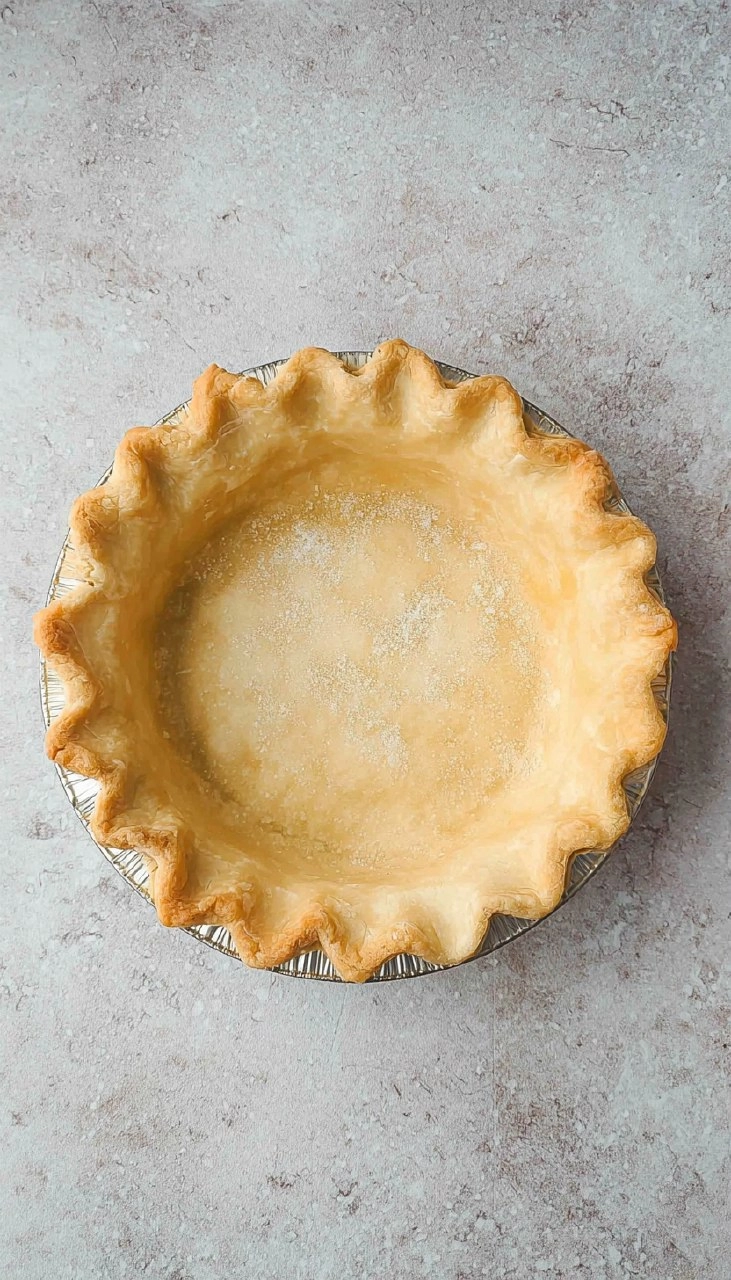
Keep an eye on the color! A perfectly blind-baked crust should have a light golden color on the edges and a slightly darker bottom. If the sides are too brown, cover them with foil.
What can I use instead of pie weights?
If you’re in a pinch, dried beans or rice make excellent substitutes for pie weights! Just be sure to keep them labeled, as they can’t be reused for cooking afterward.
Can I blind bake my crust if it’s already been rolled?
Yes! Simply drop it into your pie dish, chill it, then cover with parchment or foil before adding weights. Just be cautious while baking to avoid overcooking.
Print
How To Blind Bake Pie Crust (Step by Step Guide)
This pie crust recipe delivers an irresistible flavor with simple prep using butter, chilled water, and vodka for that perfect flaky texture—ideal for all your pie-making needs.
- Total Time: 3 hours 15 minutes
- Yield: 2 servings 1x
Ingredients
- 300 g unsalted butter preferably chilled
- 120 ml iced water
- 30 ml chilled vodka optional (substitute with the same amount of iced water, if you prefer)
- 400 g all purpose flour spooned and leveled when using cup measurements
- 30 g sugar
- ¾ tsp fine sea salt
Instructions
- Prepare the pie crust dough following the instructions from the homemade pie crust recipe, ensuring the dough rests for a few hours before rolling it out.
Notes
Chilling the butter is crucial for achieving the desired flaky texture.
If you don’t want to use vodka, simply increase the iced water as needed.
- Prep Time: 30 minutes
- Cook Time: 165 minutes
- Category: Desserts
- Method: Baking
- Cuisine: American
Nutrition
- Serving Size: 1 slice
- Calories: 250
- Sugar: 5 g
- Sodium: 200 mg
- Fat: 15 g
- Saturated Fat: 10 g
- Unsaturated Fat: 5 g
- Trans Fat: 0 g
- Carbohydrates: 30 g
- Fiber: 1 g
- Protein: 3 g
- Cholesterol: 30 mg


