Skip to content
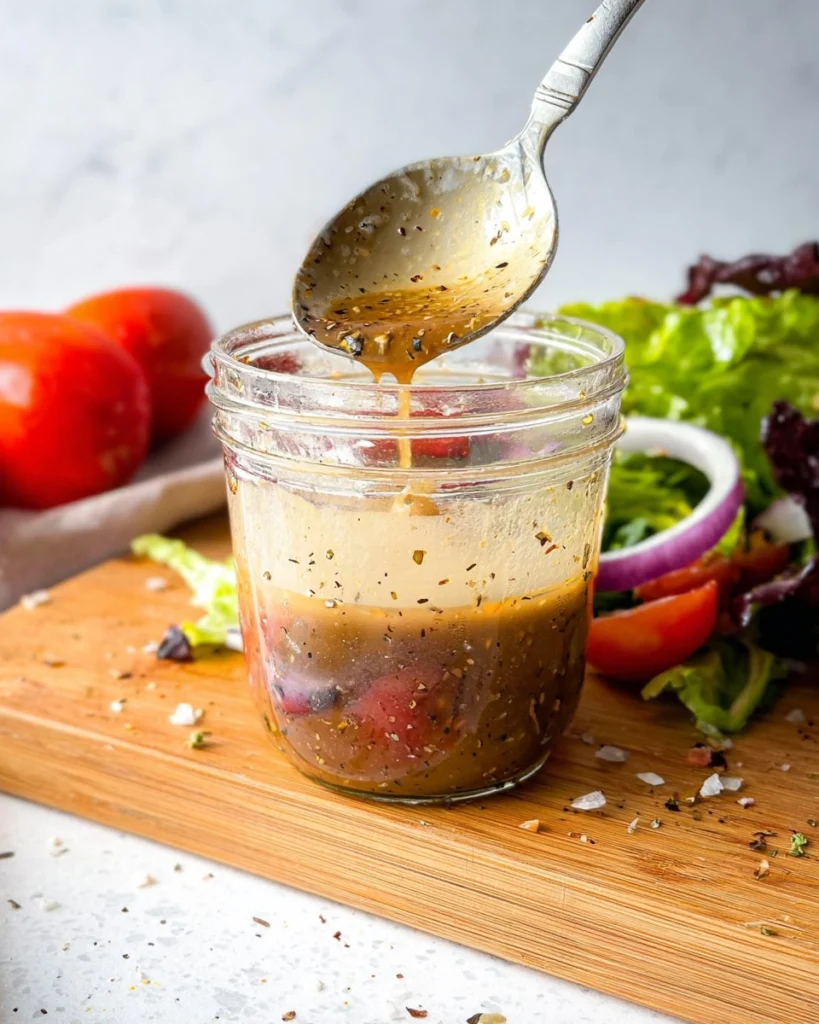
Greek salad dressing is a delightful blend of flavors that can elevate any simple salad to a culinary masterpiece. Its origins stem from the Mediterranean, where fresh, vibrant ingredients come together in a harmonious mix. The robust flavor profile of this dressing has a way of enhancing the crisp textures of veggies, juicy tomatoes, and creamy feta cheese, making it a beloved staple in many households. Plus, there’s something satisfying about knowing you can whip up this zesty concoction in just a few minutes!
Thank you for reading this post, don't forget to subscribe!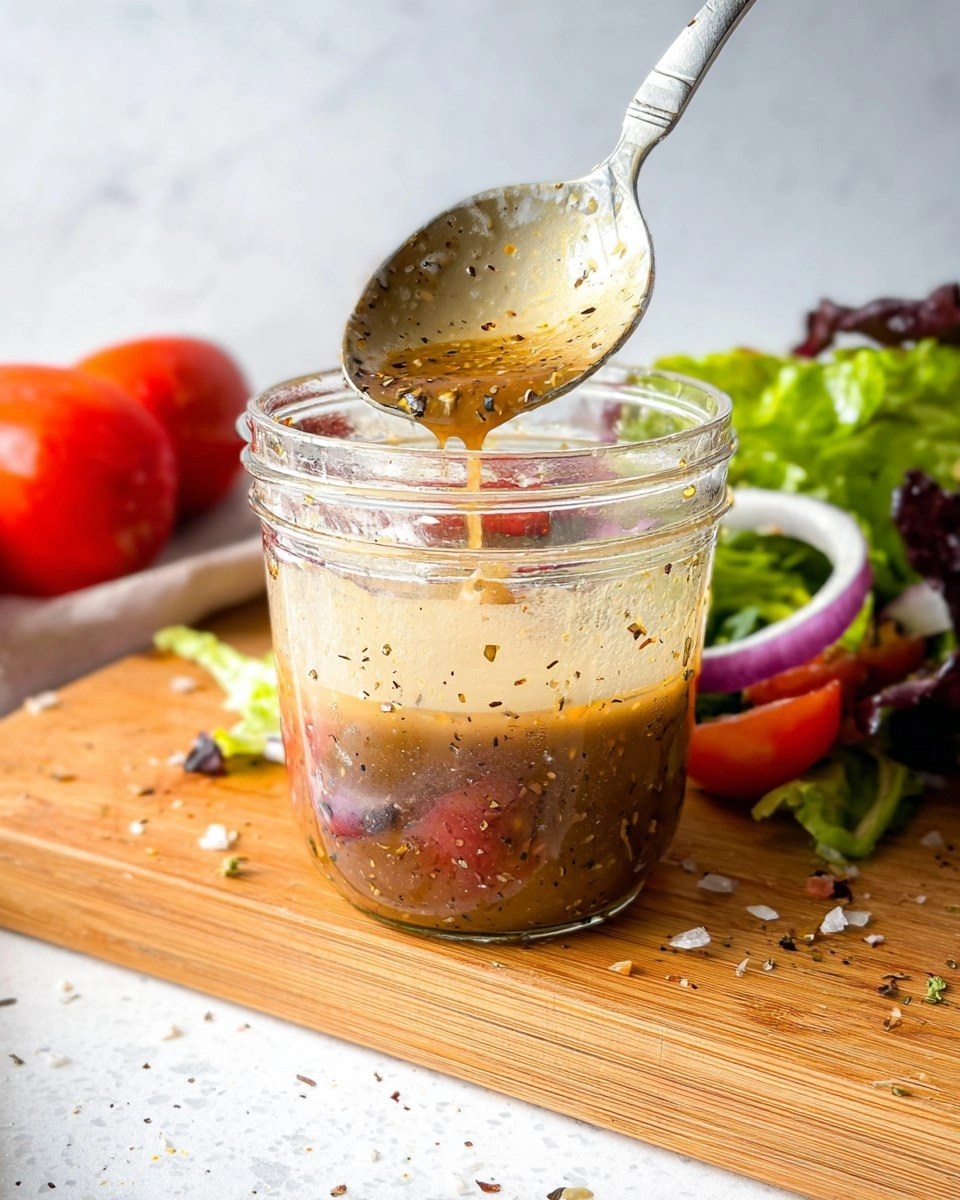
I remember the first time I tried a homemade Greek salad dressing. It was a simple summer gathering, yet the vibrant flavors burst forth in a way the store-bought versions simply didn’t. I was captivated. The blend of tangy red wine vinegar, fresh garlic, and fragrant oregano danced on my taste buds, instantly transforming the meal. Creating it in my own kitchen has been a favorite adventure ever since. Trust me, once you make this Greek salad dressing, you’ll never want to go back to the bottled ones again!
Why You’ll Love This Recipe
- Simple & Quick: This dressing can be made in just 5 minutes, perfect for those busy weeknights.
- Irresistible Flavor: The combination of olive oil, garlic, and oregano creates a tangy, robust flavor that enhances any salad.
- Eye-Catching Appeal: Vibrant colors and fresh ingredients make it as beautiful as it is tasty.
- Flexible Serving: Great for salads, marinating meats, or drizzling over roasted veggies—it’s a versatile crowd-pleaser!
- Diet-Friendly Options: Naturally gluten-free and vegan, it accommodates various dietary needs.
Ingredients You’ll Need
- ⅓ cup extra-virgin olive oil: This is the heart of your dressing; it adds richness and flavor. Look for a high-quality oil for the best results.
- 4 tablespoons red wine vinegar: This brings the acidity and tang that brightens the other ingredients. If you prefer a milder flavor, champagne vinegar can be a nice alternative.
- 1 large garlic clove, minced: Fresh garlic adds a wonderful punch to your dressing. Adjust to taste if you prefer a milder garlic flavor.
- ½ teaspoon dried oregano: A classic herb in Greek cuisine, it brings an earthy, aromatic quality you won’t want to skip.
- ½ teaspoon Dijon mustard: This not only enhances flavor but also helps emulsify the dressing, giving it a silky texture. You can use any type of mustard you enjoy if Dijon isn’t on hand.
- ¼ teaspoon ground sumac, optional: This optional ingredient adds a lemony, slightly tangy flavor. If you don’t have it, you can skip it or replace it with a bit of lemon juice.
- ¼ + ⅛ teaspoon kosher salt, or more to taste: Salt pulls flavors together. Always taste and adjust according to your preference.
- Freshly ground black pepper, to taste: Adds a hint of spice and depth to your dressing.
How to Make Greek Salad Dressing
- Combine Ingredients: In a small jar or bowl, add ⅓ cup extra-virgin olive oil, 4 tablespoons red wine vinegar, 1 minced garlic clove, ½ teaspoon dried oregano, ½ teaspoon Dijon mustard, and ¼ teaspoon ground sumac if using.
- Season: Add ¼ + ⅛ teaspoon kosher salt and freshly ground black pepper to taste. Seasoning is crucial, so start with the recommended amounts and adjust according to your personal preference.
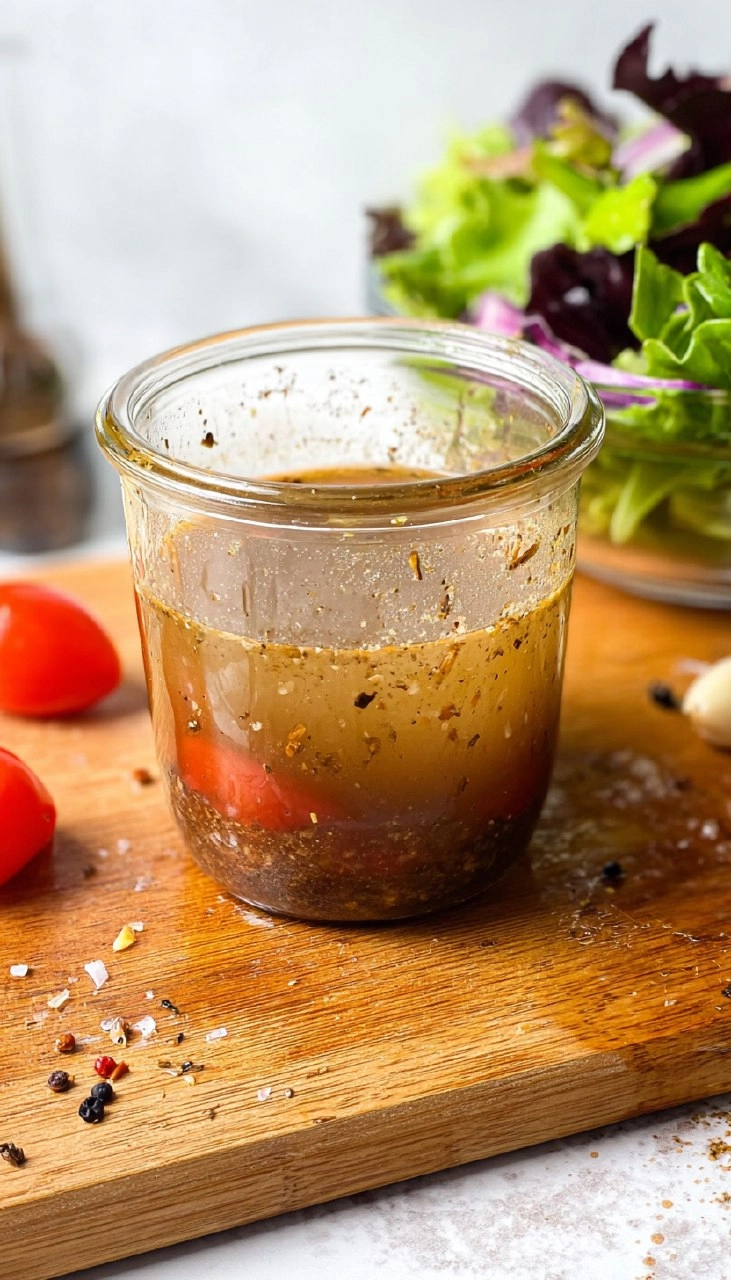
- Whisk or Shake: Whisk the ingredients together in a bowl or secure the lid on the jar and shake vigorously until all ingredients are well combined. You want to see an emulsion form; this means the oil and vinegar have blended completely.
- Taste and Adjust: Give the dressing a taste and make any necessary adjustments—more salt, more vinegar, or a little extra garlic can take it to your desired level.
- Serve or Store: Use immediately over your favorite Greek salad or store it in the fridge for later.
Storing & Reheating
Store your Greek salad dressing in an airtight container at room temperature for up to 1 day. If you choose to refrigerate, it can last for about a week. Just give it a good shake before using, as it may separate slightly when chilled. For longer storage, consider freezing it for up to 3 months in an ice cube tray or similar container. To use, simply thaw in the fridge or at room temperature. The flavors might mellow a bit, but a quick shake will refresh it nicely!
Chef’s Helpful Tips
- Avoid overdressing your salad; you can start with a little, then add more to taste.
- To intensify flavors, let the dressing sit for at least 30 minutes before using—this allows the garlic and oregano to infuse the oil.
- If you’re short on time, simply add garlic powder instead of fresh garlic.
- Remember, always use freshly ground black pepper. It makes a world of difference in flavor!
- This dressing also works beautifully for marinating chicken or fish; get creative!
When you step into the kitchen to create this Greek salad dressing, you’ll find it both simple and rewarding. The vibrant flavors really capture the essence of Mediterranean cuisine, all while fitting perfectly with your fresh salads, grilled meats, or roasted veggies. By making this at home, you’re not only enhancing your meals but also embracing a bit of culinary creativity!
Recipe FAQs
How long does Greek salad dressing last in the fridge?
Homemade Greek salad dressing can last in the fridge for about a week when stored in a sealed container. Always give it a good shake or stir before use, as the ingredients may separate over time.
Can I use fresh herbs instead of dried?
Absolutely! If you have fresh oregano, use about three times the amount of dried. Fresh herbs deliver vibrant flavors, but keep in mind they can make the dressing less stable.
Is there a way to make this dressing creamier?
For a creamier dressing, you could add 1-2 tablespoons of Greek yogurt or mayonnaise. This not only adds a lovely texture but also a bit of tanginess.
What’s the best way to serve Greek salad using this dressing?
To truly make the most of your Greek salad dressing, toss it with fresh ingredients like cucumbers, tomatoes, red onions, Kalamata olives, and crumbled feta cheese. Letting the salad sit for about 10-15 minutes after dressing it will help meld the flavors. Enjoy!
Print
Greek Salad Dressing
This Greek Salad Dressing features a blend of fresh ingredients that enhance any dish. Simple to prepare, it’s perfect for salads, marinades, or drizzling over grilled vegetables.
- Total Time: 10 minutes
- Yield: 6 servings 1x
Ingredients
- ⅓ cup extra-virgin olive oil
- 4 tablespoons red wine vinegar
- 1 large garlic clove, minced
- ½ teaspoon dried oregano
- ½ teaspoon dijon mustard
- ¼ teaspoon ground sumac, optional
- ¼ + ⅛ teaspoon kosher salt, or more to taste
- Freshly ground black pepper, to taste
Instructions
- Combine all the ingredients in a small jar or bowl.
- Whisk or shake well until fully mixed.
- Serve immediately or store in the refrigerator.
Notes
Adjust the salt and pepper according to your taste preference.
For a zestier flavor, add more garlic or a splash of lemon juice.
- Prep Time: 5 minutes
- Cook Time: 5 minutes
- Category: Dressing
- Method: Mixing
- Cuisine: Greek
Nutrition
- Serving Size: 1 tablespoon
- Calories: 90
- Sugar: 0g
- Sodium: 150mg
- Fat: 10g
- Saturated Fat: 1g
- Unsaturated Fat: 9g
- Trans Fat: 0g
- Carbohydrates: 1g
- Fiber: 0g
- Protein: 0g
- Cholesterol: 0mg