Skip to content
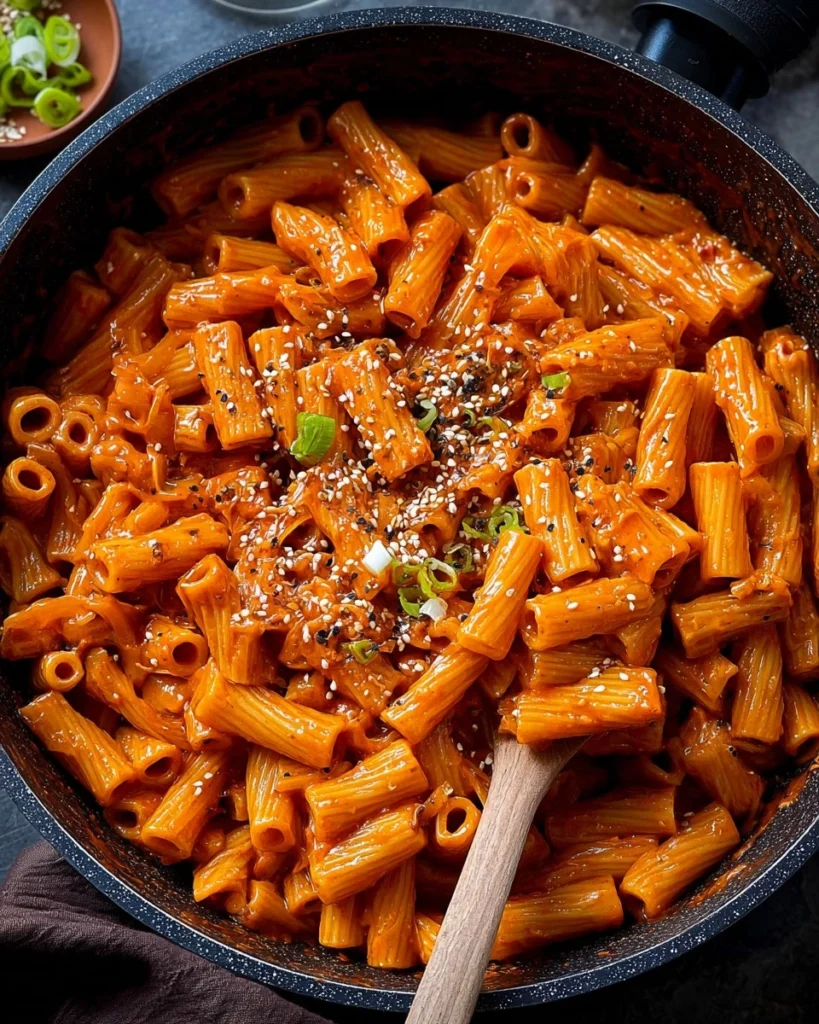
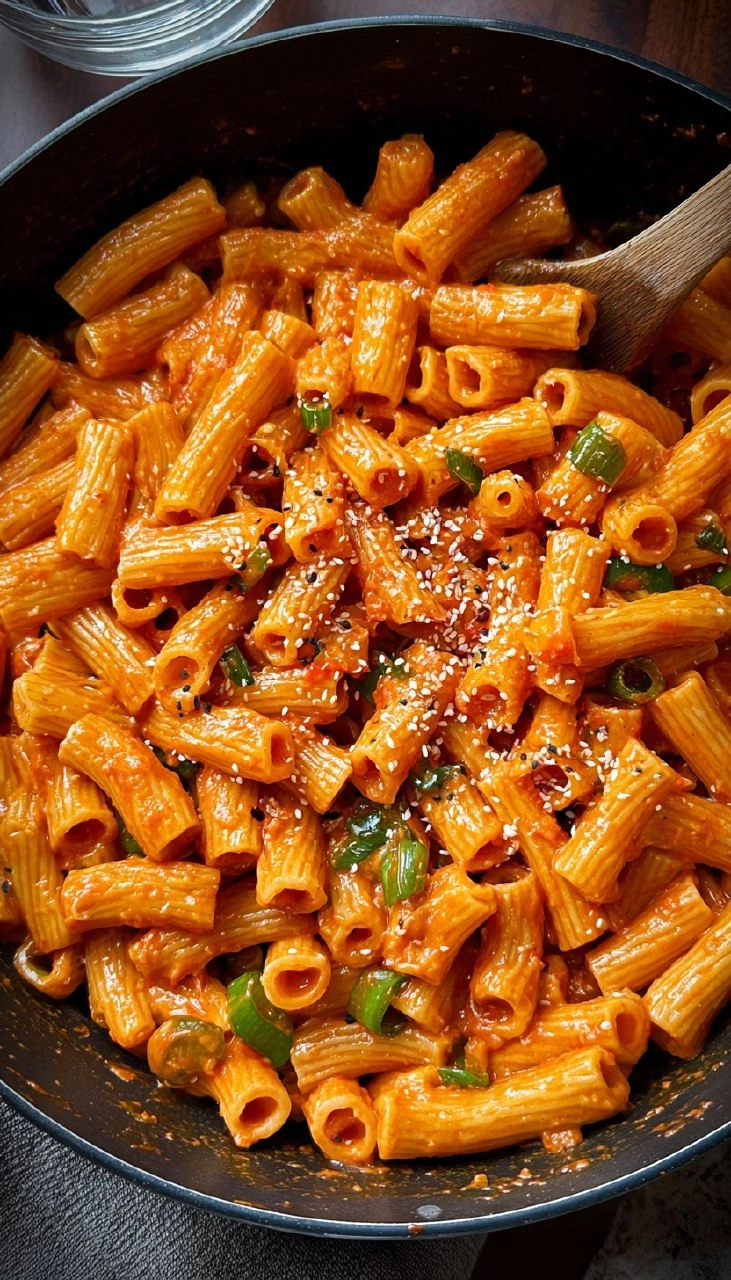
Gochujang pasta is a delightful fusion of Korean and Italian cuisines, showcasing how these two culinary worlds can come together in perfect harmony. This dish features spaghetti or rigatoni coated in a spicy, savory sauce made from gochujang, a beloved Korean chili paste known for its unique blend of heat and depth. Imagine twirling your fork through a plate of pasta with a glossy, reddish hue, vibrant green spring onions, and a sprinkle of sesame seeds, all ready to be devoured. Each bite is both comforting and addictive, making it a perfect dinner choice for any day of the week.
Thank you for reading this post, don't forget to subscribe!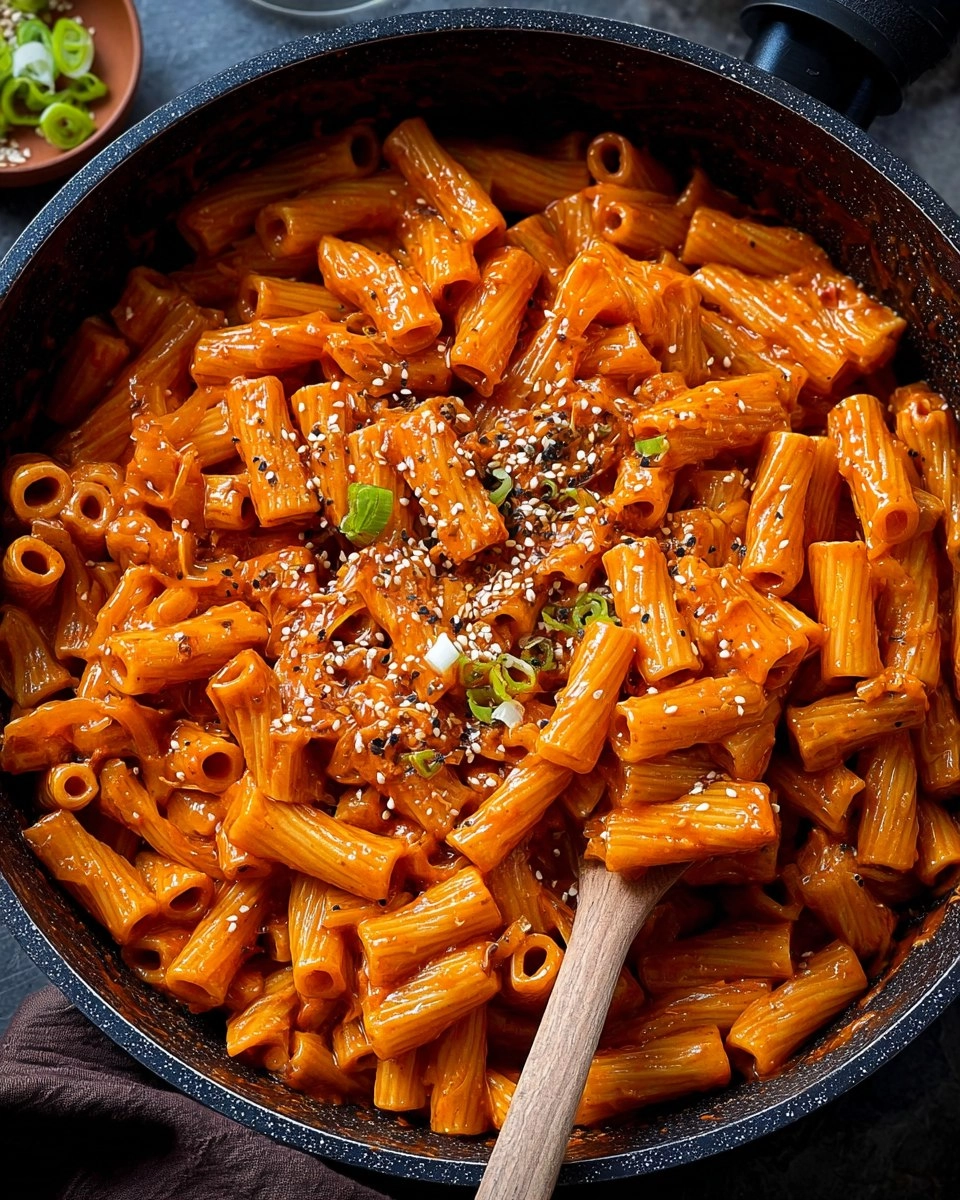
When I first made gochujang pasta, I was searching for a way to shake up our usual pasta nights. My love for both Korean and Italian flavors inspired me to try something new—and wow, did it exceed my expectations! This dish takes simple ingredients like pasta, garlic, and cheese, then brightens them up with the warm, spicy undertones of gochujang and the lusciousness of cream. It’s not only easy and quick; it’s also an impressive crowd-pleaser for gatherings or cozy family dinners. Trust me, your taste buds will thank you.
Why You’ll Love This Recipe
- Simple & Quick: Your dinner is ready in just 30 minutes!
- Irresistible Flavor: A dynamic mix of spicy and savory that keeps you coming back for more.
- Eye-Catching Appeal: The vibrant colors make it as pretty as it is delicious.
- Flexible Serving: Perfect for a weeknight dinner, a date night, or even a casual get-together.
- Diet-Friendly Options: Easy to adapt for gluten-free pasta or dairy-free by switching the cream and cheese.
Ingredients You’ll Need
- 400 g (14 oz) pasta shapes or spaghetti: I recommend using rigatoni for its ability to hold onto the sauce beautifully. You can use any pasta you have on hand, but longer shapes work best if you prefer.
- 1 tbsp oil: Olive oil adds flavor and helps sauté the onions. Any neutral oil will work too.
- 1 onion, peeled and finely diced: Onions provide a sweet, aromatic base for the sauce.
- 5 cloves garlic, peeled and minced: Fresh garlic brings fragrant and bold notes to the dish.
- ¼ tsp salt: Enhances all the flavors, so don’t skip this!
- ¼ tsp black pepper: A dash of freshness and subtle heat.
- 3 tbsp gochujang paste: This Korean chili paste gives the dish its signature spicy, umami flavor. Feel free to adjust to your spice tolerance—add more if you love heat!
- 3 tbsp tomato puree (paste in the USA): Adds sweetness and tang, balancing the spiciness of gochujang.
- 3 tbsp low sodium soy sauce (light or all-purpose): Introduces saltiness and depth; low sodium keeps it balanced.
- 100 g (1 cup) parmesan, grated/shredded: Gives the dish richness and a familiar Italian touch.
- 120 ml (½ cup) double (heavy) cream: Ensures the sauce is creamy and luxurious.
- 1 tbsp unsalted butter: Helps create an elegant mouthfeel; add it for ultimate creaminess!
- Small bunch of spring onions (scallions), finely chopped: Adds fresh crunch and a pop of color to garnish.
- Grated/shredded parmesan for topping: Always a welcome finishing touch!
- Sesame seeds: Sprinkle for a nutty flavor and added texture.
How to Make Gochujang Pasta
- Cook the Pasta: Boil the pasta in a large pot of salted water for 1 minute less than the package instructions recommend. Once the pasta is al dente, drain it, but reserve around 2 cups (500 ml) of the pasta water for later.
- Sauté the Aromatics: While the pasta cooks, heat the oil in a large skillet over medium heat. Add the diced onion and sauté for about 5 minutes, stirring frequently until softened and translucent.
- Add the Garlic and Seasoning: Stir in the minced garlic, salt, and pepper, cooking for an additional 30 seconds until fragrant.
- Incorporate the Sauces: Add the gochujang paste, tomato puree, and low sodium soy sauce to the skillet. Cook for about 2 minutes, stirring often to combine well.
- Add Dairy: Mix in the grated parmesan and heavy cream, stirring until the cheese melts and the sauce becomes creamy and smooth.
- Combine Pasta and Sauce: By now, your pasta should be ready. Drain the pasta, reserving that precious cooking water. Add half of the reserved pasta water to the skillet with the sauce. Toss in the cooked pasta along with the unsalted butter.
- Toss to Combine: Gently toss the pasta in the sauce and cook together for about one minute, allowing it to absorb the sauces. If you need a looser sauce, feel free to add more pasta water bit by bit until you achieve your desired consistency.
- Serve and Garnish: Divide the pasta amongst four bowls, topping each with finely chopped spring onions, extra parmesan, and a sprinkle of sesame seeds for some added crunch.
Storing & Reheating
To store leftover gochujang pasta, allow it to cool to room temperature before transferring to an airtight container. It can be kept in the fridge for up to 3 days. For longer storage, consider freezing portions for up to 3 months. When you’re ready to enjoy again, reheat in a microwave for about 2-3 minutes, stirring midway, or on the stove over low heat, adding a splash of water or more cream to revive the sauce and maintain the creamy texture.
Chef’s Helpful Tips
- To avoid overcooking your pasta, set a timer when it hits the time indicated on the package minus one minute.
- If your sauce seems too thick, remember that pasta water is your friend! Gradually add it until you find your perfect consistency.
- For an extra kick, toss in some red pepper flakes or top it off with sliced jalapeños.
- Feel free to customize this recipe by adding protein like grilled chicken, shrimp, or sautéed tofu for a complete meal.
- Keep an eye on the garlic while sautéing; burnt garlic can turn bitter. Always cook until just fragrant and lightly golden.
Every experience in the kitchen offers a chance to create something memorable. Gochujang pasta is not just a delicious dish; it’s a chance to experiment with flavors and elevate a familiar favorite. Whether you follow the recipe to a tee or adjust it uniquely to your taste, I encourage you to dive into this culinary adventure. From those first saucy bites to the last sprinkle of cheese, I hope you find joy in making this dish as much as I have. Enjoy each twirl of goodness on your plate—Happy cooking!
Recipe FAQs
Can I use a different type of pasta?
Absolutely! You can use any pasta shape you prefer. While I recommend rigatoni for its ability to cling to sauces, spaghetti, penne, or even gluten-free pasta will all work just fine.
How spicy is this dish?
The spiciness primarily comes from the gochujang, which can vary by brand. If you’re cautious about heat, start with a smaller amount and add more as needed. The double cream helps mellow the spice level too!
Can I make this dish vegan?
Yes! To make it vegan, substitute the heavy cream with coconut cream or a cashew-based cream and use nutritional yeast instead of parmesan for a cheesy flavor without the dairy.
What can I serve with gochujang pasta?
This dish pairs beautifully with a simple side salad for freshness or some garlic bread for that comforting touch. It can also hold up well alongside grilled proteins like chicken or tofu for a heartier meal.
Print
Gochujang Pasta
Gochujang Pasta brings a delightful blend of spiciness and creaminess. Perfect for a quick dinner, this dish features gochujang, pasta, and savory toppings. It’s an easy, homemade experience for those seeking comfort food without the lengthy prep.
- Total Time: 0 hours
- Yield: 4 servings 1x
Ingredients
- 400 g (14oz) pasta shapes or spaghetti (I like rigatoni)
- 1 tbsp oil
- 1 onion peeled and finely diced
- 5 cloves garlic peeled and minced
- ¼ tsp salt
- ¼ tsp black pepper
- 3 tbsp gochujang paste
- 3 tbsp tomato puree (paste in USA)
- 3 tbsp low sodium soy sauce (light or all-purpose)
- 100 g (1 cup) parmesan, grated/shredded
- 120 ml (1/2 cup) double (heavy) cream
- 1 tbsp unsalted butter
- Small bunch of spring onions (scallions) finely chopped
- Grated/shredded parmesan
- Sesame seeds
Instructions
- Boil the pasta in a large pan of water for 1 minute less than the package instructions, then drain and reserve around 500ml (or approx. 2 imperial cups) of the pasta water.
- While the pasta cooks, heat oil in a large frying pan over medium heat.
- Add the onion and fry for 5 minutes, stirring often, until softened.
- Stir in the garlic, salt, and pepper and cook for 30 seconds.
- Add gochujang, tomato puree, and soy sauce, cooking for two minutes while stirring often.
- Mix in the Parmesan and cream until combined.
- Once the pasta is ready, drain it, keeping about 500ml of the cooking water.
- Add half of the reserved pasta water to the pan and mix with the gochujang sauce, then add the drained pasta and butter.
- Toss the pasta in the sauce, cooking for another minute to coat the pasta well. Add more pasta water if needed for desired sauce consistency.
- Serve in bowls topped with spring onions, extra Parmesan, and sesame seeds.
Notes
For more heat, increase the amount of gochujang paste to taste.
Feel free to use any type of pasta you have on hand. Rigatoni works well because its shape holds the sauce nicely.
For a vegetarian option, ensure that the Parmesan cheese is made without animal rennet.
- Prep Time: N/A
- Cook Time: N/A
- Category: Main Dishes
- Method: Stovetop
- Cuisine: Korean-Italian Fusion
Nutrition
- Serving Size: 1 bowl
- Calories: 600
- Sugar: 3g
- Sodium: 800mg
- Fat: 30g
- Saturated Fat: 15g
- Unsaturated Fat: 10g
- Trans Fat: 0g
- Carbohydrates: 65g
- Fiber: 4g
- Protein: 20g
- Cholesterol: 60mg