Skip to content
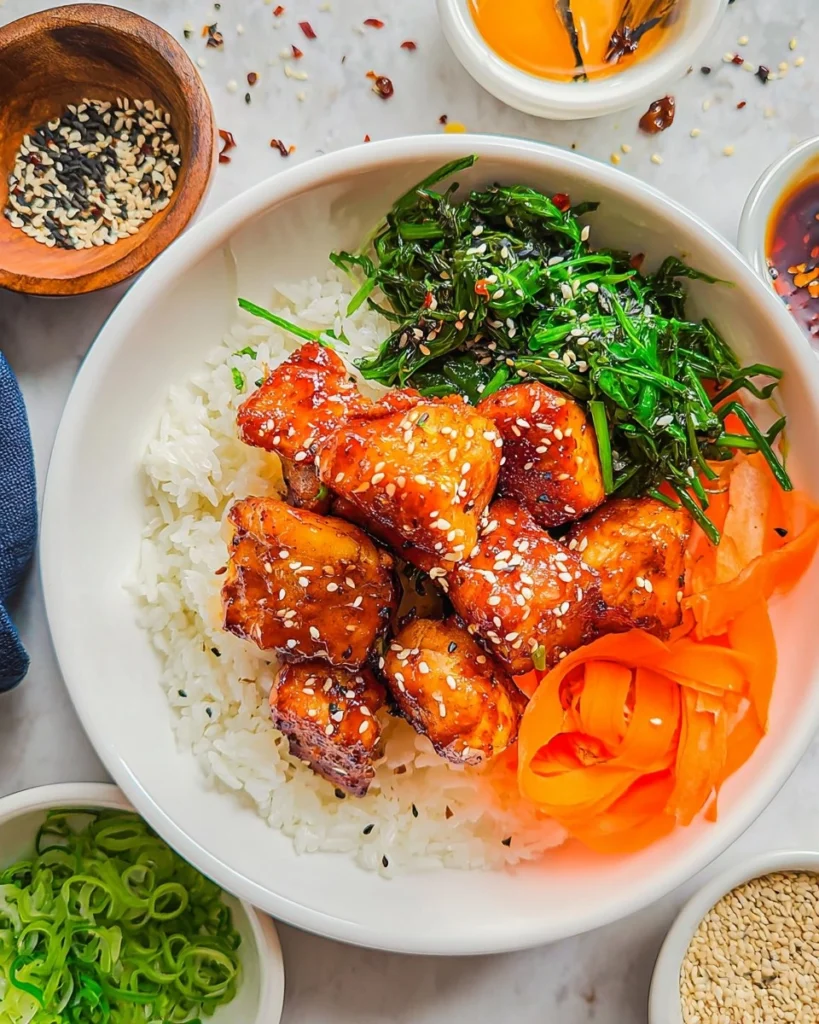
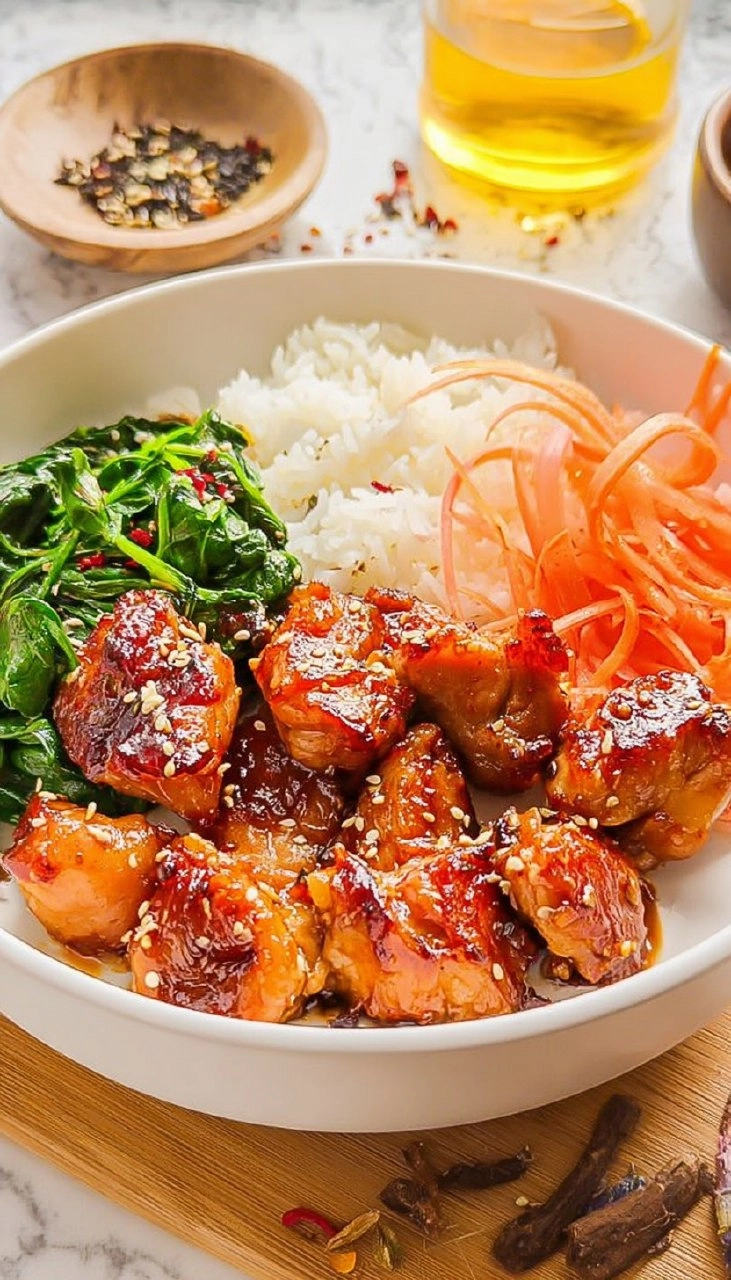
Gochujang chicken is a vibrant dish that celebrates the bold flavors of Korean cuisine. Infused with savory, spicy gochujang—a fermented chili paste that packs a delectable punch—this recipe brings an uplifting twist to your weeknight dinner. Imagine tender bites of chicken, coated in a sweet and spicy sauce that leaves you craving more.
Thank you for reading this post, don't forget to subscribe!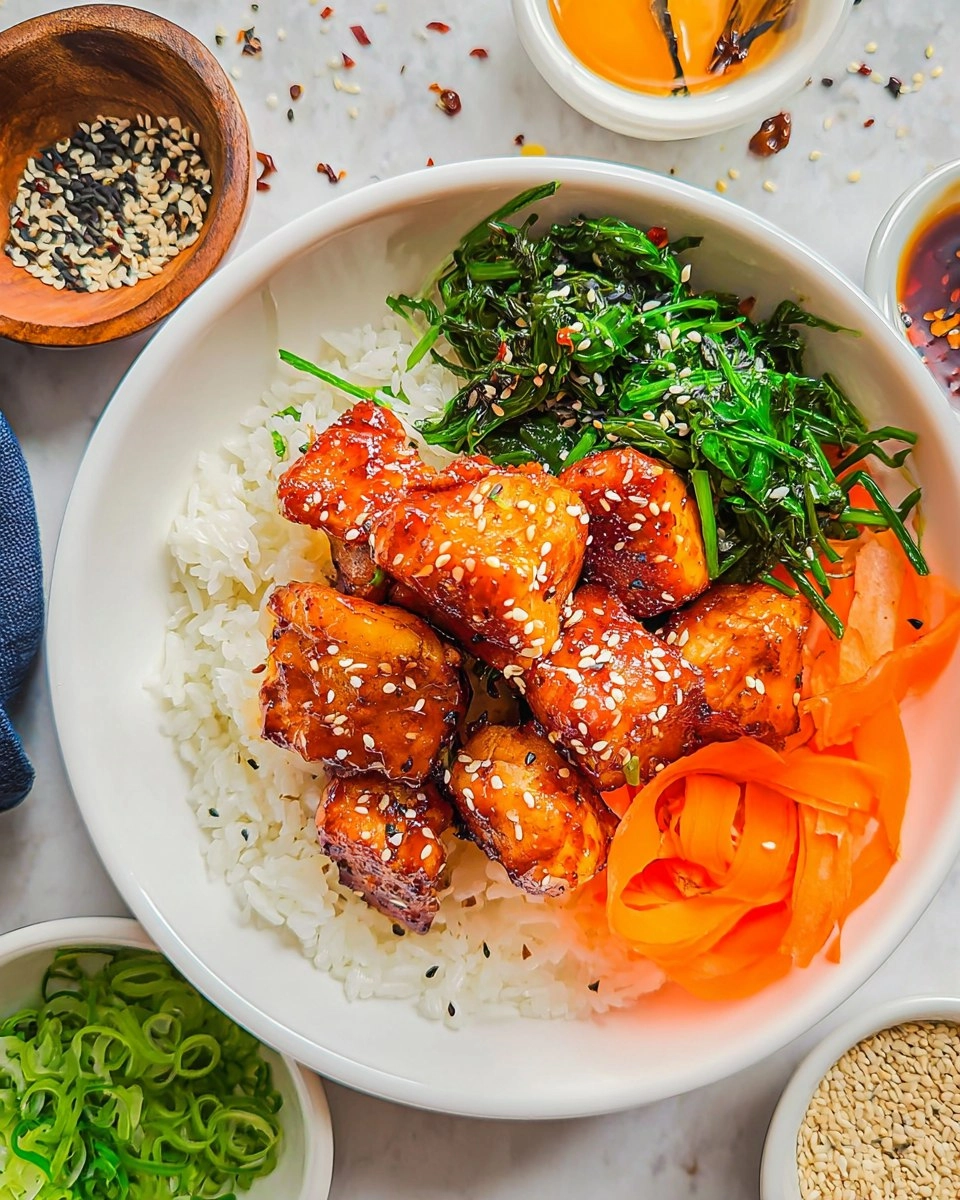
I first stumbled upon this dish at a local restaurant, where the aroma lured me in before I even stepped through the door. When I finally took my first bite, the explosion of flavors transformed my understanding of chicken dishes. This easy, budget-friendly, and crowd-pleasing recipe will undoubtedly become a staple in your kitchen. I can’t wait for you to try it!
Why You’ll Love This Recipe
- Simple & Quick: Prep in just 5 minutes, making it perfect for busy weeknights.
- Irresistible Flavor: The combination of sweet, spicy, and umami creates a mouthwatering experience.
- Eye-Catching Appeal: Vibrantly colored and topped with green onions and sesame seeds, it looks as good as it tastes.
- Flexible Serving: Perfect for lunch boxes, dinner, or even a casual gathering with friends.
- Diet-Friendly Options: Easily make it gluten-free with soy sauce alternatives like tamari or coconut aminos.
Ingredients You’ll Need
- 3-4 tablespoons soy sauce: A staple that adds salty depth; regular, lite, tamari, or coconut aminos work well.
- 1-2 tablespoons gochujang paste: The star ingredient that gives the dish its signature heat; adjust to your spice preference.
- 1 teaspoon toasted sesame seeds: These add a delightful crunch and nutty flavor.
- 1 teaspoon cornstarch: Helps thicken the sauce for a rich coating over the chicken.
- 1 teaspoon ground ginger: For warmth; fresh grated ginger can elevate the flavor even more.
- ½ teaspoon garlic powder: Enhances the savory aspect—feel free to use fresh garlic instead!
- 1-1.25 pounds boneless chicken thighs, diced into bite-sized pieces: Juicy and flavorful; chicken breasts are an acceptable substitute.
- 1 tablespoon olive oil: Used for sautéing; a neutral oil like avocado works just as good.
- 1 tablespoon granulated sugar: Balances the spice; brown sugar can be a great alternative.
- 1 tablespoon rice vinegar: Adds a tangy touch that brightens the dish beautifully.
- 1-2 teaspoons toasted sesame oil: A drizzle of this rich oil boosts flavor significantly.
- Salt and freshly ground black pepper: Essential for seasoning to taste.
- 1 tablespoon fresh herbs (cilantro or basil), finely minced: Adds a fresh, fragrant note for finishing.
- 1 teaspoon sesame seeds: Extra garnish for an appealing finish.
- 1 whole green onion, sliced into thin rounds: Brightens up the dish visually and tastefully.
How to Make Gochujang Chicken
- Prepare the Marinade: In a medium bowl, combine 3-4 tablespoons soy sauce, 1-2 tablespoons gochujang paste, 1 tablespoon granulated sugar, 1 tablespoon rice vinegar, 1 teaspoon ground ginger, ½ teaspoon garlic powder, and 1 tablespoon toasted sesame oil. Mix well.
- Marinate the Chicken: Add 1-1.25 pounds of diced boneless chicken thighs to the bowl with the marinade. Toss to coat the chicken thoroughly. Let it marinate for approximately 10-15 minutes (or up to 30-60 minutes in the fridge, if time allows).
- Cook the Chicken: Heat 1 tablespoon of olive oil in a large skillet over medium-high heat. Add the marinated chicken (discarding excess marinade) and cook for about 6-7 minutes. Stir and flip frequently to ensure even cooking until the chicken is no longer pink in the center.
- Prepare the Sauce: While the chicken cooks, whisk together the remaining marinade ingredients in a small bowl or glass measuring cup.
- Combine & Thicken: After the chicken is cooked through, slowly pour the sauce over the chicken. Scrape up any browned bits from the skillet, letting the sauce simmer for 1-2 minutes or until thickened. For a thicker sauce, sprinkle in ½ teaspoon of cornstarch and stir constantly until thickened to your liking.
- Garnish & Serve: Taste and adjust seasoning with extra salt, black pepper, or red pepper flakes as preferred. Finish with fresh herbs, sliced green onions, and a sprinkle of sesame seeds before serving.
Storing & Reheating
To store, let any leftovers cool and place them in an airtight container in the fridge for up to 3 days. If you want to save it for longer, freeze it in a freezer-safe container for up to 3 months. When you’re ready to enjoy again, simply microwave on medium until heated through, about 2-3 minutes. Note that the sauce might thicken in the fridge, so adding a splash of water while reheating can help refresh the texture.
Chef’s Helpful Tips
- Avoid overcooking the chicken by checking for doneness as it cooks; the pieces should be golden and juices clear.
- Let the chicken marinate longer if possible; the flavors deepen the longer it sits.
- For a brighter taste, consider adding some fresh lime juice before serving.
- Double-check your soy sauce amount if you’re worried about sodium content; adjust salt accordingly.
- This dish pairs well with rice, so making a batch alongside can help soak up the delicious sauce.
Gochujang chicken is a fantastic option that melds comfort and adventure in one delightful dish. Whether you’re whipping it up for a cozy weeknight meal or impressing friends, this dish checks all the boxes. Feel free to experiment with different spice levels or even try adding vegetables to the mix. Enjoy every savory, satisfying bite!
Recipe FAQs
Can I use chicken breasts instead of thighs?
Absolutely! While chicken thighs offer a richer flavor due to their higher fat content, boneless skinless chicken breasts will work just as well. Just keep an eye on cooking time, as breasts may require a minute or two less on the stove.
How spicy is Gochujang?
Gochujang has a complex flavor profile with a notable spice level that can vary based on the brand. If you’re sensitive to heat, start with 1 tablespoon and gradually adjust to your taste. Remember, you can always add more spice, but it’s hard to take it away!
Can I make Gochujang chicken gluten-free?
Yes, simply substitute the soy sauce with gluten-free alternatives like tamari or coconut aminos. These options provide a similar salty flavor without gluten, making the dish accessible for anyone avoiding it.
What should I serve with Gochujang chicken?
Gochujang chicken pairs beautifully with fluffy rice, noodles, or a fresh salad. You can also serve it with pickled vegetables for a delightful contrast, rounding out the meal with additional flavors and textures.
Print
Gochujang Chicken
Enjoy the mouthwatering taste of Gochujang Chicken with its savory blend of soy sauce and spices. This simple dish is perfect for a quick dinner or a healthy meal that everyone will love.
- Total Time: 20 minutes
- Yield: 4 servings 1x
Ingredients
- 3–4 tablespoons soy sauce
- 1–2 tablespoons gochujang paste
- 1 teaspoon toasted sesame seeds
- 1 teaspoon cornstarch
- 1 teaspoon ground ginger, or to taste
- ½ teaspoon garlic powder, or to taste
- 1–1.25 pounds boneless chicken thighs, diced into bite-sized pieces
- 1 tablespoon olive oil, or as needed
- 1 tablespoon granulated sugar
- 1 tablespoon rice vinegar
- 1–2 teaspoons toasted sesame oil
- salt, as needed and to taste
- freshly ground black pepper, as needed and to taste
- 1 tablespoon fresh herbs (cilantro, basil), finely minced
- 1 teaspoon sesame seeds
- 1 whole green onions, sliced into thin rounds
Instructions
- In a medium bowl, mix all sauce ingredients with the chicken, coat well, and marinate for 10-15 minutes, or for better flavor, refrigerate for 30-60 minutes.
- Heat oil in a large skillet over medium-high heat, add the chicken (discard excess marinade), and cook for about 6-7 minutes, stirring frequently until cooked through.
- In a small bowl, whisk together all sauce ingredients except garnishing items.
- Once the chicken is done, pour the sauce over it and mix well, scraping any browned bits from the pan. Simmer for 1-2 minutes until the sauce thickens to your preference, stirring constantly.
- For thicker sauce, sprinkle ½ teaspoon cornstarch while simmering and continue stirring until it thickens further.
- Taste and adjust flavors, adding more salt, pepper, or garnishing ingredients as desired.
Notes
For gluten-free, use tamari or coconut aminos for soy sauce.
Feel free to use chicken breasts instead of thighs if preferred.
Adjust the gochujang to control the spiciness level.
- Prep Time: 5 minutes
- Cook Time: 15 minutes
- Category: Main Dishes
- Method: Stovetop
- Cuisine: Korean
Nutrition
- Serving Size: 1 serving
- Calories: 320
- Sugar: 6g
- Sodium: 800mg
- Fat: 12g
- Saturated Fat: 2g
- Unsaturated Fat: 10g
- Trans Fat: 0g
- Carbohydrates: 16g
- Fiber: 1g
- Protein: 28g
- Cholesterol: 90mg